From the Editor’s Desk: Is Electrification Still an Important Development Area for Fluid Power?
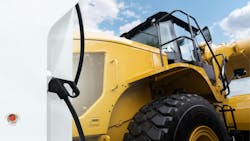
Electrification of vehicles and mobile machines has been a dominant trend over the past several years in many of the markets served by fluid power including heavy-duty trucking, construction and more.
Several electric-powered vehicles and machines have been introduced to the market in recent years, some of which you can learn more about in the content below.
bauma 2025: Construction Equipment Launches Demonstrate Technology Advancements
Purpose-Built Design Benefits Electric Construction Equipment
New Holland and Case IH Unveil Electric Agricultural Equipment
Construction Equipment Digs Deeper into Electrification
Danfoss Puts Volvo Electric Trucks into 24-Hour Service
New Electric-Powered Excavators Show Continued Industry Momentum Toward Electrification
It was noted during a panel discussion held at the National Fluid Power Association’s (NFPA) 2025 Industry & Economic Outlook Conference that electrification is one of the top technology strategy areas for OEMs and machine builders in the mobile equipment market. This is evidenced by the number of electric vehicles and machines which have entered the market over the past several years (see sidebar at right).
Typically, electrification in this market relates to decarbonizing the prime mover; this can take the form of full-electric powertrains which completely replace the engine with batteries, electric motors and other components or hybrid-electric system architectures that pair electrification technologies with an engine.
Whether a hybrid- or full-electric vehicle, fluid power technologies are still likely to be utilized. This is because many mobile applications like construction equipment continue to rely heavily on fluid power systems, particularly hydraulics, due to the power density they provide. These systems will therefore need to be used in conjunction with batteries, electric motors, inverters and other electrification technologies.
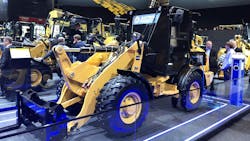
As Chris Griffin, Group Business Development Manager – Electrification at Parker Hannifin, pointed out in a webinar with Power & Motion, there are a lot of changes that need to be made to a hydraulics system to meet the requirements of electric systems. The expertise of those who understand how hydraulic systems work is critical to ensuring all systems will work together as desired and performance requirements are achieved.
Because of this, we have seen electrification become an increasingly important development area for many in the fluid power industry in recent years.
However, market dynamics have changed over the past year or so. Activity has cooled a bit with government incentives in the U.S. and other global regions coming to an end which had helped to make the cost of purchasing electric vehicles more feasible. There are also still challenges related to charging infrastructure in both the on- and off-road markets.
Read “The state of electric vehicle adoption: Challenges, industry sentiment, and future outlook” from FleetOwner, another publication part of Power & Motion’s parent company EndeavorB2B, to learn about the current state of EV adoption in the trucking market.
Despite these factors, there remain applications and vehicle types where electrification makes sense, such as compact equipment, and many OEMs continue to focus their development efforts on these.
Get more insights into the electrification market by attending Turntide Technologies' State of the Industry webinar on January 27. I'll be among the panelists discussing electrification-related trends we expect to see in the coming year.
Turntide Technologies CEO Steve Hornyak recently told Power & Motion his company, which develops electric motors and other electrification technologies, is actually seeing increased interest in hybrid systems. He said hybrid systems are well suited for those applications that may be looking to achieve some of the benefits of electrification, such as reduced noise and energy use, but still require high power and long run times that full-electric solutions may not currently be able to meet.
Electrification, like any technological trend, will continue to evolve in the coming years, bringing with it new development needs, market challenges and opportunities, and more.
Given that electrification has been so prominent in recent years but market dynamics have changed, we want to hear from you, those in the fluid power industry, whether this technology trend is still an important area of development for you and your company.
Are you still getting requests for electrification solutions? Do you see electrification as a long-term opportunity area? Take our brief survey below or reach out to me directly at [email protected] to offer your thoughts!
About the Author

Sara Jensen
Executive Editor, Power & Motion
Sara Jensen is executive editor of Power & Motion, directing expanded coverage into the modern fluid power space, as well as mechatronic and smart technologies. She has over 15 years of publishing experience. Prior to Power & Motion she spent 11 years with a trade publication for engineers of heavy-duty equipment, the last 3 of which were as the editor and brand lead. Over the course of her time in the B2B industry, Sara has gained an extensive knowledge of various heavy-duty equipment industries — including construction, agriculture, mining and on-road trucks —along with the systems and market trends which impact them such as fluid power and electronic motion control technologies.
You can follow Sara and Power & Motion via the following social media handles:
X (formerly Twitter): @TechnlgyEditor and @PowerMotionTech
LinkedIn: @SaraJensen and @Power&Motion
Facebook: @PowerMotionTech